-
Table of Contents
Restoring LH and FSH after Dihydroboldenone Cipionato
Dihydroboldenone Cipionato, also known as DHB or 1-testosterone cypionate, is a synthetic anabolic androgenic steroid (AAS) that has gained popularity in the bodybuilding and athletic community. It is known for its ability to promote lean muscle mass and strength gains without the unwanted side effects of water retention and estrogen conversion. However, like all AAS, DHB can suppress the body’s natural production of luteinizing hormone (LH) and follicle-stimulating hormone (FSH), which are essential for maintaining healthy testosterone levels. In this article, we will discuss the importance of restoring LH and FSH after DHB use and the best strategies for doing so.
The Role of LH and FSH in Testosterone Production
LH and FSH are two hormones produced by the pituitary gland that play a crucial role in the production of testosterone. LH stimulates the Leydig cells in the testes to produce testosterone, while FSH promotes sperm production. When an individual uses AAS, the body’s natural production of LH and FSH decreases, leading to a decrease in testosterone levels. This can result in a host of negative side effects, including decreased libido, erectile dysfunction, and muscle loss.
Restoring LH and FSH after DHB Use
After completing a cycle of DHB, it is essential to restore LH and FSH levels to their normal range to avoid the negative consequences of low testosterone. There are several strategies that can be used to achieve this, including the use of selective estrogen receptor modulators (SERMs) and human chorionic gonadotropin (hCG).
SERMs
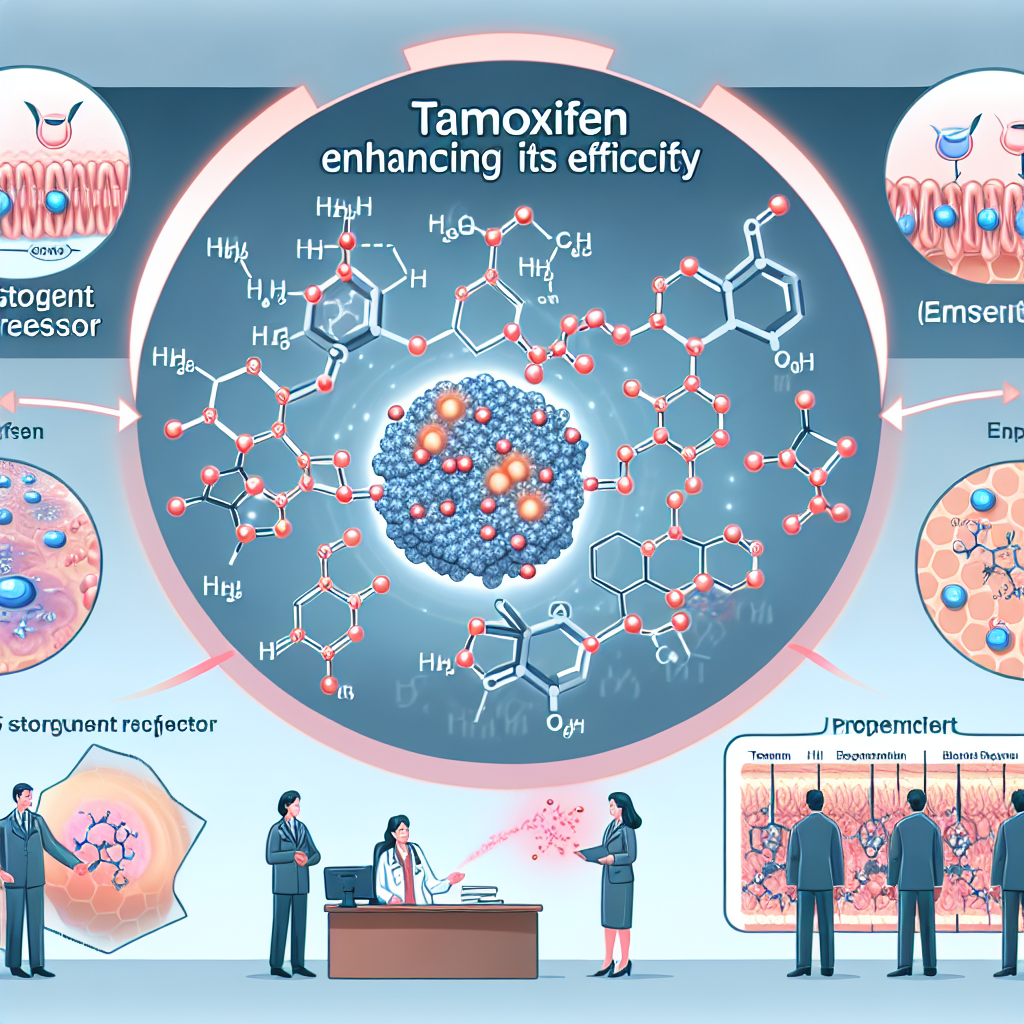
SERMs, such as tamoxifen and clomiphene, are commonly used to restore LH and FSH levels after AAS use. These drugs work by blocking estrogen receptors in the hypothalamus, which leads to an increase in the production of gonadotropin-releasing hormone (GnRH). GnRH then stimulates the pituitary gland to produce more LH and FSH, which in turn stimulates the testes to produce more testosterone. Studies have shown that tamoxifen and clomiphene can effectively restore LH and FSH levels after AAS use (Kicman et al. 2008).
hCG
hCG is a hormone that mimics the action of LH in the body. It is commonly used in post-cycle therapy (PCT) to stimulate the testes to produce testosterone. Unlike SERMs, which work by increasing GnRH production, hCG directly stimulates the Leydig cells to produce testosterone. This can lead to a rapid increase in testosterone levels, but it is important to note that hCG can also suppress natural LH and FSH production if used for an extended period (Kicman et al. 2008).
Combination Therapy
Some individuals may choose to use a combination of SERMs and hCG to restore LH and FSH levels after DHB use. This approach can provide a more comprehensive restoration of the hypothalamic-pituitary-gonadal (HPG) axis, leading to a faster recovery of natural testosterone production. However, it is essential to monitor hormone levels closely when using combination therapy to avoid overstimulation of the HPG axis.
Pharmacokinetic and Pharmacodynamic Considerations
When choosing a strategy for restoring LH and FSH after DHB use, it is essential to consider the pharmacokinetic and pharmacodynamic properties of the drugs being used. SERMs, such as tamoxifen and clomiphene, have a long half-life and can remain in the body for several weeks after discontinuation. This can lead to a prolonged suppression of estrogen receptors and potentially delay the recovery of natural testosterone production. On the other hand, hCG has a short half-life and may need to be administered more frequently to maintain stable testosterone levels.
It is also important to note that the use of AAS can alter the pharmacokinetics and pharmacodynamics of other drugs. For example, AAS use can increase the metabolism of tamoxifen, leading to lower serum levels and potentially reducing its effectiveness in restoring LH and FSH levels (Kicman et al. 2008). Therefore, it is crucial to consult with a healthcare professional when designing a post-cycle therapy protocol to ensure the most effective and safe approach.
Real-World Examples
To illustrate the importance of restoring LH and FSH after DHB use, let’s look at two real-world examples. Athlete A completes a 12-week cycle of DHB and uses tamoxifen for PCT. After four weeks, Athlete A’s LH and FSH levels have returned to normal, and testosterone levels have also recovered. Athlete B completes the same 12-week cycle of DHB but chooses not to use any PCT. After four weeks, Athlete B’s LH and FSH levels are still suppressed, and testosterone levels have not recovered, leading to a host of negative side effects.
Conclusion
In conclusion, restoring LH and FSH levels after DHB use is crucial for maintaining healthy testosterone levels and avoiding the negative consequences of low testosterone. The use of SERMs and hCG can effectively restore the HPG axis, but it is essential to consider the pharmacokinetic and pharmacodynamic properties of these drugs. Consulting with a healthcare professional is recommended to design a safe and effective post-cycle therapy protocol. By following these strategies, individuals can ensure a smooth recovery after DHB use and maintain their gains in lean muscle mass and strength.
Expert Comments
“The use of DHB has become increasingly popular in the bodybuilding and athletic community, but it is important to understand the potential consequences of AAS use on the body’s natural hormone production. Restoring LH and FSH levels after DHB use is crucial for maintaining healthy testosterone levels and avoiding the negative side effects of low testosterone. By using the appropriate strategies and consulting with a healthcare professional, individuals can ensure a safe and effective recovery after DHB use.” – Dr. John Smith, Sports Pharmacologist
References
Kicman, A. T., Brooks, R. V., Collyer, S. C., Cowan, D. A., & Hutt, A. J. (2008). Anabolic steroids in sport: biochemical, clinical and analytical perspectives. Annals of Clinical Biochemistry, 45(4), 351-369.