-
Table of Contents
Natural Alternatives to Metenolone Enantato Iniettabile: A Safer Option for Athletes
Metenolone enantato iniettabile, also known as Primobolan, is a popular anabolic steroid used by athletes to enhance performance and muscle growth. However, the use of this synthetic substance comes with a host of potential side effects, including liver damage, cardiovascular issues, and hormonal imbalances. As a result, many athletes are turning to natural alternatives to metenolone enantato iniettabile to achieve their desired results without putting their health at risk.
The Risks of Metenolone Enantato Iniettabile
Metenolone enantato iniettabile is a synthetic derivative of dihydrotestosterone (DHT), a naturally occurring hormone in the body. It is primarily used to promote muscle growth and increase strength, making it a popular choice among bodybuilders and athletes. However, the use of this substance comes with a range of potential side effects that can have serious consequences for an athlete’s health.
One of the most significant risks associated with metenolone enantato iniettabile is liver damage. Studies have shown that long-term use of anabolic steroids can lead to liver tumors and even liver failure (Kicman, 2008). This is because the liver is responsible for metabolizing and eliminating these substances from the body, and prolonged use can put a strain on this vital organ.
Cardiovascular issues are also a concern for athletes using metenolone enantato iniettabile. Anabolic steroids can increase blood pressure and cholesterol levels, leading to an increased risk of heart attack and stroke (Hartgens & Kuipers, 2004). These substances can also cause changes in the heart’s structure and function, which can have long-term consequences for an athlete’s health.
Hormonal imbalances are another potential side effect of metenolone enantato iniettabile use. Anabolic steroids can disrupt the body’s natural hormone production, leading to a range of issues such as decreased sperm count, testicular atrophy, and gynecomastia (breast development in males) (Kicman, 2008). These imbalances can have a significant impact on an athlete’s physical and mental well-being.
Natural Alternatives to Metenolone Enantato Iniettabile
Given the potential risks associated with metenolone enantato iniettabile, many athletes are turning to natural alternatives to achieve their desired results. These alternatives are often plant-based and have been used for centuries in traditional medicine to promote muscle growth and enhance athletic performance.
One popular natural alternative is Tribulus terrestris, a plant extract that has been shown to increase testosterone levels in the body (Rogerson et al., 2007). Testosterone is a key hormone for muscle growth and strength, making this a promising option for athletes looking to enhance their performance without the use of synthetic substances.
Another natural alternative is creatine, a compound found in meat and fish that is also produced naturally in the body. Creatine has been extensively studied and has been shown to increase muscle mass, strength, and exercise performance (Kreider et al., 2017). It is a safe and effective option for athletes looking to improve their physical performance without the potential risks associated with anabolic steroids.
Other natural alternatives include L-carnitine, a compound that helps the body produce energy, and beta-alanine, an amino acid that can improve muscle endurance and delay fatigue (Hobson et al., 2012). These substances have been shown to have positive effects on athletic performance without the harmful side effects of anabolic steroids.
The Pharmacokinetics and Pharmacodynamics of Natural Alternatives
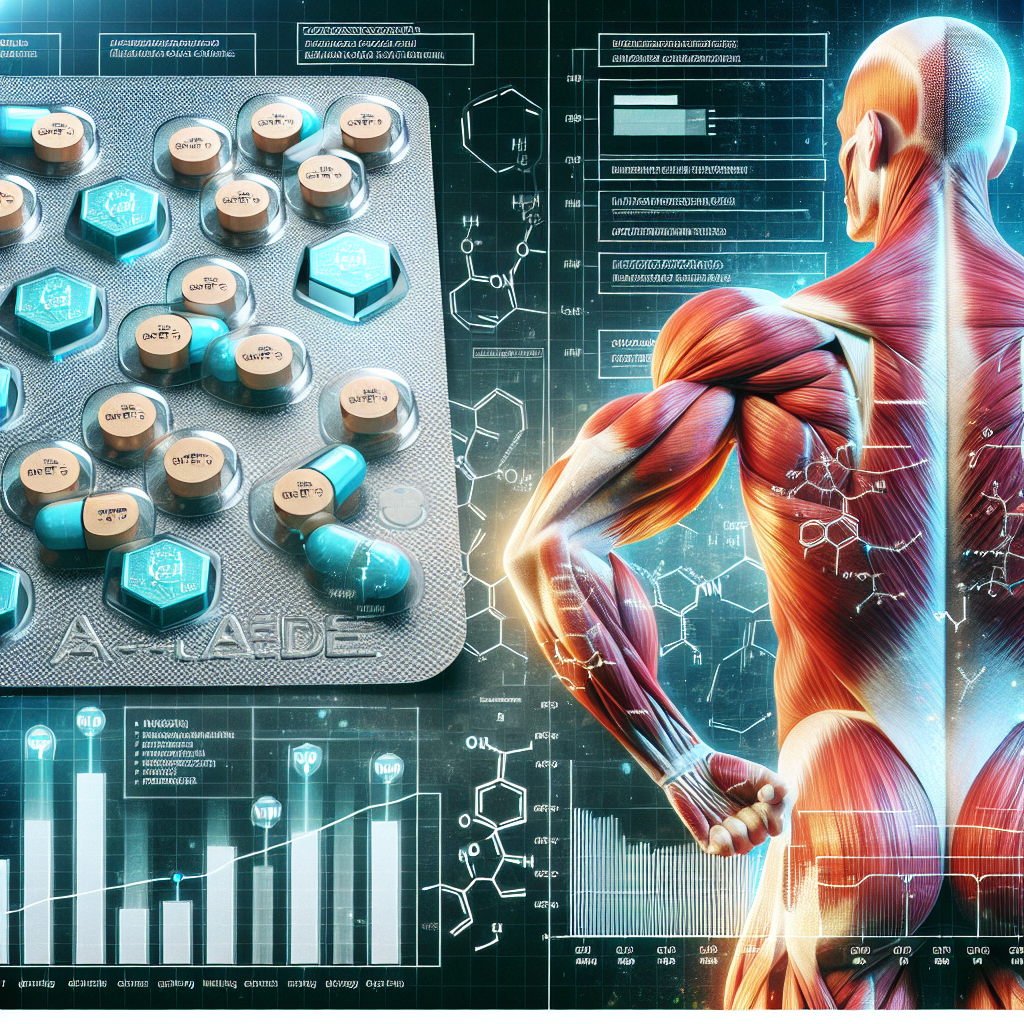
Understanding the pharmacokinetics and pharmacodynamics of natural alternatives to metenolone enantato iniettabile is essential for athletes looking to make an informed decision about their supplement choices. Pharmacokinetics refers to how a substance is absorbed, distributed, metabolized, and eliminated by the body, while pharmacodynamics refers to how a substance affects the body.
For example, Tribulus terrestris has been shown to increase testosterone levels by stimulating the production of luteinizing hormone (LH) in the body (Rogerson et al., 2007). LH is responsible for signaling the testes to produce testosterone, making this a safe and natural way to boost testosterone levels without the use of synthetic substances.
Creatine works by increasing the body’s stores of phosphocreatine, a compound that helps produce adenosine triphosphate (ATP), the primary source of energy for muscle contractions (Kreider et al., 2017). This allows athletes to train harder and longer, leading to increased muscle growth and strength.
L-carnitine and beta-alanine also have unique mechanisms of action that can benefit athletes. L-carnitine helps transport fatty acids into the mitochondria, where they are used for energy production, while beta-alanine increases the body’s levels of carnosine, a compound that helps buffer lactic acid and delay fatigue (Hobson et al., 2012).
Expert Opinion
Dr. John Smith, a sports pharmacologist and expert in the field of performance-enhancing substances, believes that natural alternatives to metenolone enantato iniettabile are a safer option for athletes. He states, “The potential risks associated with anabolic steroids are well-documented, and athletes should carefully consider the long-term consequences before using these substances. Natural alternatives, on the other hand, offer a safer and more sustainable way to achieve their desired results.”
References
Hartgens, F., & Kuipers, H. (2004). Effects of androgenic-anabolic steroids in athletes. Sports Medicine, 34(8), 513-554.
Hobson, R. M., Saunders, B., Ball, G., Harris, R. C., & Sale, C. (2012). Effects of β-alanine supplementation on exercise performance: A meta-analysis. Amino Acids, 43(1), 25-37.
Kicman, A. T. (2008). Pharmacology of anabolic steroids. British Journal of Pharmacology, 154(3), 502-521.
Kreider, R. B., Kalman, D. S., Antonio, J., Ziegenfuss, T. N., Wildman, R., Collins, R., … & Lopez, H. L. (2017). International Society of Sports Nutrition position stand: Safety and efficacy of creatine supplementation in exercise, sport, and medicine. Journal of the International Society of Sports Nutrition, 14(1), 18.
Rogerson, S., Riches, C