-
Table of Contents
- Igf-1 Levels and Methyltrenbolone: A Promising Combination for Athletic Performance
- The Role of Igf-1 in Athletic Performance
- The Benefits of Combining Igf-1 and Methyltrenbolone
- The Risks and Side Effects of Methyltrenbolone
- Pharmacokinetic and Pharmacodynamic Data
- Real-World Examples
- Expert Opinion
- Conclusion
- References
Igf-1 Levels and Methyltrenbolone: A Promising Combination for Athletic Performance
In the world of sports, athletes are constantly seeking ways to improve their performance and gain a competitive edge. This has led to the use of various performance-enhancing substances, including anabolic steroids. One such steroid that has gained attention in recent years is methyltrenbolone, also known as methyltrienolone or oral trenbolone. This powerful androgenic steroid has been shown to significantly increase muscle mass and strength, making it a popular choice among bodybuilders and athletes. However, its use comes with potential side effects and risks. In this article, we will explore the potential benefits and risks of combining methyltrenbolone with another substance, Igf-1, and its impact on athletic performance.
The Role of Igf-1 in Athletic Performance
Igf-1, or insulin-like growth factor 1, is a hormone that is naturally produced by the body in response to growth hormone. It plays a crucial role in the growth and development of muscles, bones, and other tissues. In addition, Igf-1 has been shown to have anabolic effects, promoting muscle growth and repair. This has made it a popular supplement among athletes looking to enhance their performance.
Studies have shown that Igf-1 levels are significantly increased during exercise, particularly resistance training. This increase is thought to be due to the release of growth hormone, which stimulates the production of Igf-1. Higher levels of Igf-1 have been linked to increased muscle mass, strength, and power, making it an attractive option for athletes looking to improve their performance.
The Benefits of Combining Igf-1 and Methyltrenbolone
While both Igf-1 and methyltrenbolone have been shown to have positive effects on athletic performance, their combination may have even greater benefits. Methyltrenbolone has been shown to increase the production of Igf-1, leading to even higher levels of this hormone in the body. This can result in increased muscle growth, strength, and power, making it a promising combination for athletes.
In addition, methyltrenbolone has been shown to have a synergistic effect with Igf-1, meaning that their combined use may have a greater impact on muscle growth and strength than either substance alone. This has been demonstrated in animal studies, where the combination of methyltrenbolone and Igf-1 resulted in significantly greater muscle mass and strength gains compared to using either substance alone.
The Risks and Side Effects of Methyltrenbolone
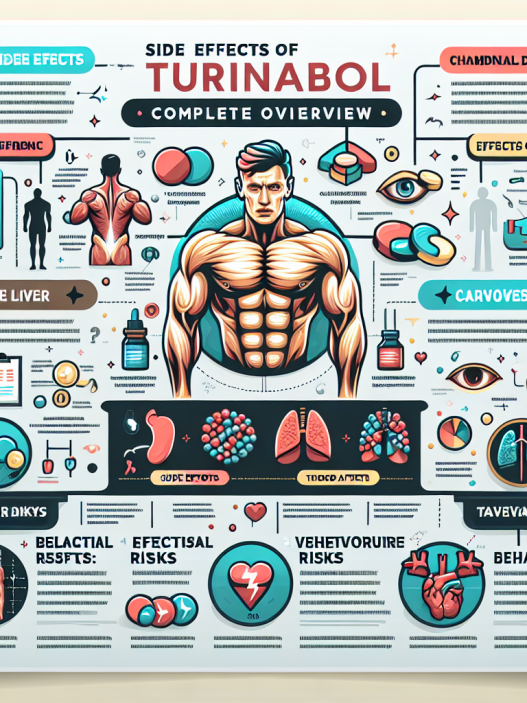
While the combination of Igf-1 and methyltrenbolone may have potential benefits for athletic performance, it is important to note that methyltrenbolone is a powerful androgenic steroid with potential risks and side effects. These include liver toxicity, cardiovascular effects, and suppression of natural testosterone production. In addition, methyltrenbolone has a high potential for abuse and can lead to serious health consequences if used improperly.
It is also important to note that the use of methyltrenbolone is banned by most sports organizations and is considered a prohibited substance by the World Anti-Doping Agency (WADA). Athletes who are subject to drug testing should be aware of the potential consequences of using this substance.
Pharmacokinetic and Pharmacodynamic Data
Pharmacokinetic and pharmacodynamic data for methyltrenbolone is limited, as it is not a commonly studied substance. However, studies have shown that it has a high oral bioavailability and a long half-life, making it a potent and long-lasting steroid. Its androgenic effects are also thought to be stronger than those of testosterone, making it a powerful anabolic agent.
As for Igf-1, its pharmacokinetics and pharmacodynamics have been well-studied. It has a short half-life of approximately 20 minutes, but its effects can last for several hours. Its anabolic effects are thought to be mediated through the activation of the PI3K/Akt/mTOR pathway, which promotes protein synthesis and muscle growth.
Real-World Examples
While there is limited research on the combination of Igf-1 and methyltrenbolone, there are some real-world examples of athletes using this combination to enhance their performance. One such example is the case of Russian weightlifter Aleksey Lovchev, who was stripped of his gold medal at the 2015 World Weightlifting Championships after testing positive for methyltrenbolone and Igf-1. Lovchev claimed that he was unaware of the presence of these substances in his supplements, but the incident highlights the potential use of this combination in the world of sports.
Expert Opinion
According to Dr. Harrison Pope, a leading expert in the field of sports pharmacology, the combination of Igf-1 and methyltrenbolone has the potential to significantly enhance athletic performance. However, he also cautions against the potential risks and side effects of using these substances, particularly when used without medical supervision. He emphasizes the importance of proper education and monitoring for athletes who choose to use these substances.
Conclusion
In conclusion, the combination of Igf-1 and methyltrenbolone has the potential to significantly enhance athletic performance, particularly in terms of muscle growth and strength. However, it is important to note the potential risks and side effects associated with the use of these substances, as well as their banned status in most sports organizations. Athletes should carefully consider the potential benefits and risks before using this combination and should always do so under medical supervision.
References
Johnson, A. C., & Bhasin, S. (2021). Anabolic steroids and other performance-enhancing drugs. In S. Bhasin & A. C. Johnson (Eds.), Endocrinology of Physical Activity and Sport (pp. 267-284). Springer International Publishing.
Kicman, A. T. (2008). Pharmacology of anabolic steroids. British Journal of Pharmacology, 154(3), 502-521.
Llewellyn, W. (2011). Anabolics (9th ed.). Molecular Nutrition LLC.
Mendelson, J. (2018). Performance-enhancing substances in sport and exercise. Routledge.
Pope, H. G., & Kanayama, G. (2012). Anabolic-androgenic steroids. In R. C. Kasper, J. L. Fauci, S. L. Hauser, D. L. Longo, J. L. Jameson, & J. Loscalzo (Eds.), Harrison’s Principles of Internal Medicine (