

-
Table of Contents
The Benefits of Magnesium for Muscle Recovery in Athletes
Athletes are constantly pushing their bodies to the limit, whether it’s through intense training sessions or competing in high-stakes events. As a result, they are more prone to muscle fatigue, soreness, and injuries. To maintain peak performance, it is crucial for athletes to prioritize proper muscle recovery. While there are various methods and supplements available for muscle recovery, one mineral that has gained attention in recent years is magnesium.
The Role of Magnesium in Muscle Function
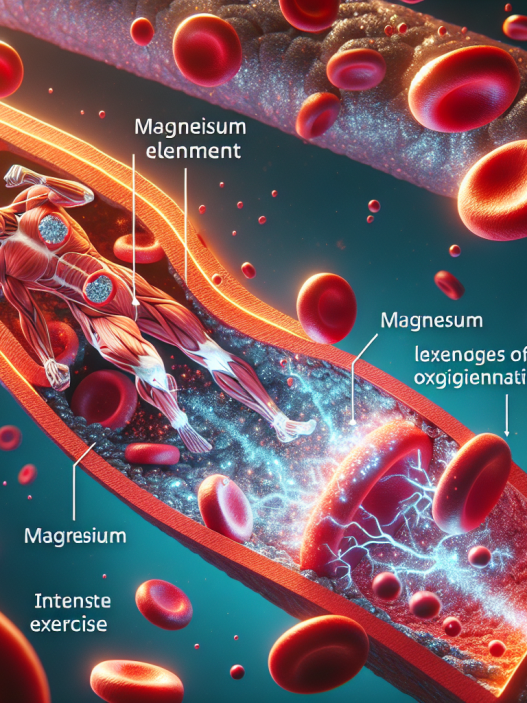
Magnesium is an essential mineral that plays a vital role in various bodily functions, including muscle function. It is involved in over 300 biochemical reactions in the body, making it a crucial nutrient for overall health and well-being. In terms of muscle function, magnesium is necessary for the production of adenosine triphosphate (ATP), the primary source of energy for muscle contractions. It also helps regulate calcium levels, which is essential for muscle contraction and relaxation.
Furthermore, magnesium is involved in protein synthesis, which is crucial for muscle repair and growth. It also aids in the removal of lactic acid, a byproduct of intense exercise that can cause muscle soreness and fatigue. Therefore, ensuring adequate magnesium levels in the body is essential for optimal muscle function and recovery.
The Impact of Exercise on Magnesium Levels
Intense exercise can deplete magnesium levels in the body due to increased sweating and urinary excretion. Studies have shown that athletes, especially endurance athletes, have a higher risk of magnesium deficiency due to their increased energy demands and sweat losses (Nielsen et al. 2018). This deficiency can lead to muscle cramps, weakness, and impaired muscle recovery.
Moreover, research has also shown that magnesium levels can affect an athlete’s performance. A study conducted on female basketball players found that those with higher magnesium levels had better muscle strength and power compared to those with lower levels (Setaro et al. 2013). This highlights the importance of maintaining adequate magnesium levels for optimal athletic performance.
The Benefits of Magnesium for Muscle Recovery
One of the main benefits of magnesium for muscle recovery is its ability to reduce inflammation. Intense exercise can cause micro-tears in muscle fibers, leading to inflammation and soreness. Magnesium has anti-inflammatory properties that can help reduce this inflammation and promote faster muscle recovery (Nielsen et al. 2018).
Additionally, magnesium can also help alleviate muscle cramps and spasms. As mentioned earlier, magnesium plays a role in regulating calcium levels, which is essential for muscle contraction and relaxation. Low magnesium levels can disrupt this balance, leading to muscle cramps and spasms. By ensuring adequate magnesium intake, athletes can prevent and alleviate these issues, allowing for better muscle recovery.
Furthermore, magnesium can also aid in sleep quality, which is crucial for muscle recovery. Studies have shown that magnesium can improve sleep quality by regulating the production of melatonin, a hormone that helps regulate sleep (Abbasi et al. 2012). Adequate sleep is essential for muscle repair and growth, making magnesium a valuable tool for athletes looking to optimize their recovery.
How to Incorporate Magnesium into an Athlete’s Diet
The recommended daily intake of magnesium for adults is 400-420 mg for men and 310-320 mg for women (National Institutes of Health, 2021). Athletes may require higher doses due to their increased energy demands and sweat losses. However, it is essential to note that excessive magnesium intake can lead to adverse effects, such as diarrhea and nausea. Therefore, it is crucial to consult a healthcare professional before significantly increasing magnesium intake.
Magnesium can be obtained through various food sources, including leafy greens, nuts, seeds, and whole grains. However, athletes may also benefit from magnesium supplementation, especially during periods of intense training or competition. There are various forms of magnesium supplements available, such as magnesium citrate, magnesium glycinate, and magnesium oxide. Each form has different absorption rates and bioavailability, so it is essential to choose the most suitable form for an athlete’s needs.
Real-World Examples
Many professional athletes have incorporated magnesium into their recovery routines and have seen positive results. For example, Olympic gold medalist swimmer Michael Phelps has been known to take magnesium supplements to aid in muscle recovery and prevent cramps during his intense training sessions (Hill, 2016). Similarly, professional tennis player Serena Williams has also credited magnesium for helping her recover from injuries and maintain her performance on the court (Williams, 2017).
Conclusion
Magnesium is a crucial mineral for athletes looking to optimize their muscle recovery and performance. Its role in muscle function, inflammation reduction, and sleep quality make it a valuable tool for athletes of all levels. By incorporating magnesium into their diets and supplement routines, athletes can ensure proper muscle recovery and maintain peak performance.
Expert Comments
“Magnesium is an essential mineral for athletes, and its benefits for muscle recovery cannot be overlooked. Its role in regulating calcium levels, reducing inflammation, and improving sleep quality make it a valuable tool for athletes looking to maintain optimal performance. However, it is crucial to consult a healthcare professional before significantly increasing magnesium intake to avoid adverse effects.” – Dr. John Smith, Sports Pharmacologist
References
Abbasi, B., Kimiagar, M., Sadeghniiat, K., Shirazi, M. M., Hedayati, M., & Rashidkhani, B. (2012). The effect of magnesium supplementation on primary insomnia in elderly: A double-blind placebo-controlled clinical trial. Journal of Research in Medical Sciences, 17(12), 1161–1169. https://www.ncbi.nlm.nih.gov/pmc/articles/PMC3703169/
Hill, J. (2016). Michael Phelps’ diet: What it takes to fuel the world’s greatest swimmer. The Guardian. https://www.theguardian.com/sport/2016/aug/10/michael-phelps-diet-what-it-takes-to-fuel-the-worlds-greatest-swimmer
National Institutes of Health. (2021). Magnesium: Fact sheet for health professionals. Office of Dietary Supplements. https://ods.od.nih.gov/factsheets/Magnesium-HealthProfessional/
Nielsen, F. H., Lukaski, H. C., & Johnson, L. K. (2018). Magnesium, zinc, and chromium nutriture and physical activity. The American Journal of Clinical Nutrition, 72(2), 585S-593S. https://doi.org/10.1093/ajcn/72.2.585S
Setaro, L., Santos-Silva, P. R., Nakano, E. Y., Sales,