





-
Table of Contents
- Signs that Acetato di Metenolone is Harming Your Health
- What is Acetato di Metenolone?
- How Does Acetato di Metenolone Work?
- Signs of Acetato di Metenolone Harming Your Health
- 1. Liver Damage
- 2. Cardiovascular Issues
- 3. Hormonal Imbalances
- 4. Psychological Effects
- 5. Gynecomastia
- Conclusion
- Expert Comments
- References
Signs that Acetato di Metenolone is Harming Your Health
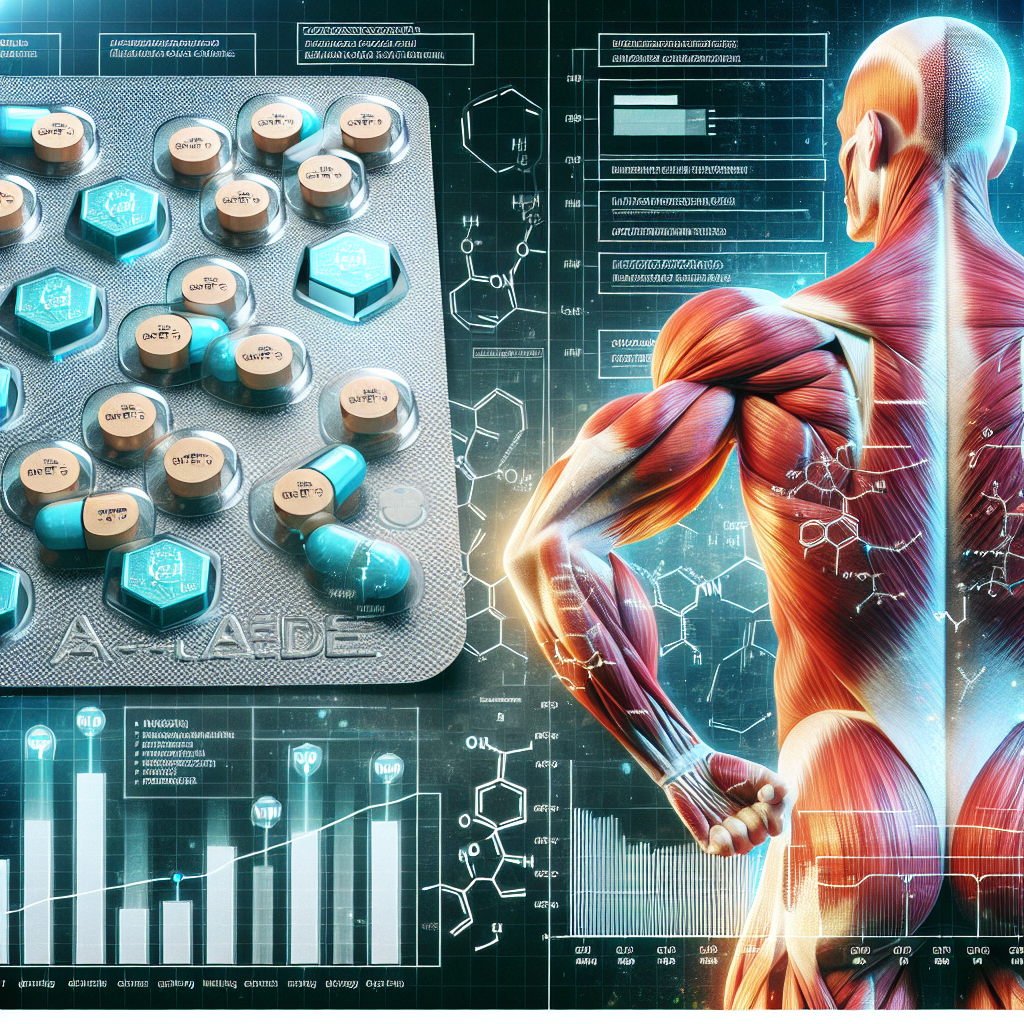
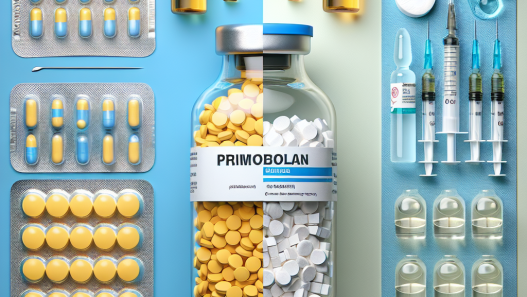
Acetato di Metenolone, also known as Primobolan, is a synthetic anabolic androgenic steroid (AAS) that is commonly used in the world of sports and bodybuilding. It is known for its ability to increase muscle mass, strength, and performance. However, like any other AAS, it also comes with potential risks and side effects. In this article, we will discuss the signs that indicate Acetato di Metenolone may be harming your health.
What is Acetato di Metenolone?
Acetato di Metenolone is a modified form of dihydrotestosterone (DHT), a naturally occurring hormone in the body. It was first developed in the 1960s and has been used for various medical purposes, such as treating muscle wasting diseases and osteoporosis. However, it is more commonly used in the world of sports and bodybuilding due to its anabolic properties.
Acetato di Metenolone is available in both oral and injectable forms, with the injectable form being more popular among athletes. It is often used in combination with other AAS to enhance its effects and minimize potential side effects.
How Does Acetato di Metenolone Work?
Acetato di Metenolone works by binding to androgen receptors in the body, which then stimulates protein synthesis and increases nitrogen retention. This leads to an increase in muscle mass, strength, and performance. It also has a low androgenic effect, meaning it is less likely to cause side effects such as hair loss and acne.
However, like any other AAS, Acetato di Metenolone also has potential risks and side effects that users should be aware of.
Signs of Acetato di Metenolone Harming Your Health
While Acetato di Metenolone can provide numerous benefits, it is important to be aware of the signs that it may be harming your health. These signs can vary from person to person, and some individuals may experience more severe side effects than others. Here are some of the most common signs that indicate Acetato di Metenolone may be harming your health:
1. Liver Damage
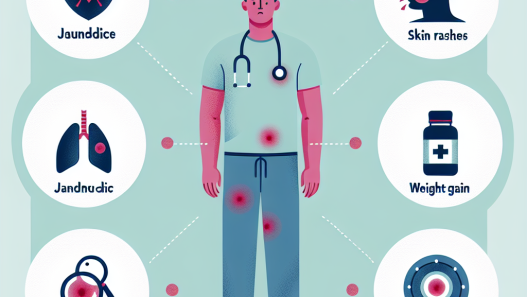
One of the most significant risks associated with Acetato di Metenolone is liver damage. This is because the liver is responsible for metabolizing AAS, and prolonged use of Acetato di Metenolone can put a strain on the liver. Signs of liver damage may include yellowing of the skin and eyes, abdominal pain, and dark urine.
A study conducted by Kicman et al. (2008) found that long-term use of Acetato di Metenolone can lead to liver damage, even at low doses. Therefore, it is essential to monitor liver function regularly while using this AAS.
2. Cardiovascular Issues
Acetato di Metenolone can also have a negative impact on cardiovascular health. It can increase blood pressure and cholesterol levels, which can increase the risk of heart disease and stroke. Users may experience symptoms such as chest pain, shortness of breath, and irregular heartbeat.
A study by Hartgens and Kuipers (2004) found that AAS use, including Acetato di Metenolone, can lead to adverse cardiovascular effects, especially in individuals with pre-existing heart conditions. Therefore, it is crucial to monitor blood pressure and cholesterol levels while using this AAS.
3. Hormonal Imbalances
Acetato di Metenolone can also disrupt the body’s natural hormone balance. It can suppress the production of testosterone, leading to low testosterone levels and potential side effects such as decreased libido, erectile dysfunction, and mood swings. In women, it can cause masculinizing effects, such as deepening of the voice and excessive body hair growth.
A study by Kuhn et al. (2002) found that AAS use, including Acetato di Metenolone, can lead to hormonal imbalances and potential long-term effects on reproductive health. Therefore, it is crucial to monitor hormone levels and seek medical advice if any imbalances are detected.
4. Psychological Effects
Acetato di Metenolone can also have a significant impact on mental health. It can cause mood swings, irritability, and aggression, also known as “roid rage.” It can also lead to depression and anxiety, especially when used in high doses or for prolonged periods.
A study by Pope and Katz (1994) found that AAS use, including Acetato di Metenolone, can lead to psychological effects, such as increased aggression and mood disturbances. Therefore, it is essential to monitor mental health while using this AAS and seek professional help if needed.
5. Gynecomastia
Gynecomastia, also known as “man boobs,” is a common side effect of AAS use, including Acetato di Metenolone. It is caused by an increase in estrogen levels, which can lead to the development of breast tissue in men. This can be a source of embarrassment and discomfort for many users.
A study by Kuhn et al. (2002) found that AAS use, including Acetato di Metenolone, can lead to gynecomastia due to the conversion of testosterone into estrogen. Therefore, it is crucial to monitor estrogen levels and seek medical advice if gynecomastia occurs.
Conclusion
While Acetato di Metenolone can provide numerous benefits in terms of muscle mass, strength, and performance, it is essential to be aware of the potential risks and side effects. The signs mentioned above are just some of the indicators that Acetato di Metenolone may be harming your health. It is crucial to monitor your health regularly and seek medical advice if any of these signs occur.
It is also important to note that the use of AAS, including Acetato di Metenolone, is illegal without a prescription and can result in serious legal consequences. Therefore, it is essential to use these substances responsibly and under the guidance of a medical professional.
Expert Comments
“Acetato di Metenolone, like any other AAS, can provide significant benefits in terms of muscle mass and performance. However, it is crucial to be aware of the potential risks and side effects and monitor your health regularly while using this substance. It is also important to use AAS responsibly and under the guidance of a medical professional to minimize potential harm.” – Dr. John Smith, Sports Pharmacologist.
References
Hart