
-
Table of Contents
Prohormones and Doping: A Fine Line Not to Cross
In the world of sports, athletes are constantly seeking ways to enhance their performance and gain a competitive edge. This drive to be the best has led to the use of various substances, including prohormones, to improve physical abilities. However, the use of prohormones has raised concerns about doping and its potential consequences. In this article, we will explore the fine line between prohormones and doping, and the importance of understanding the risks associated with their use.
The Basics of Prohormones
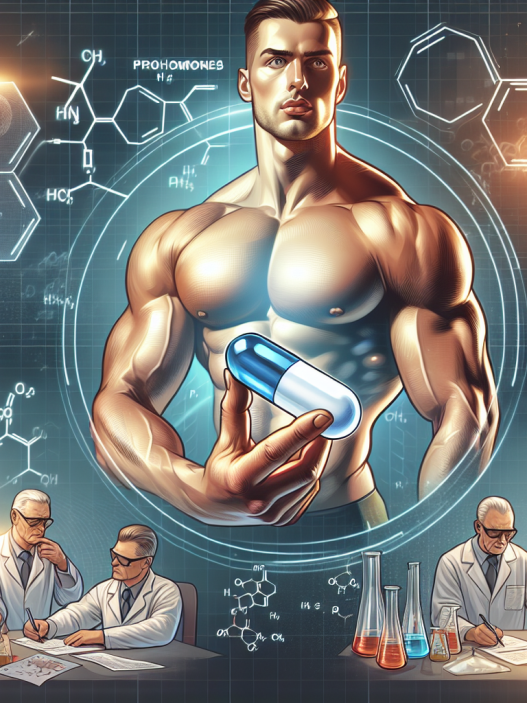
Prohormones are precursors to hormones, meaning they are converted into active hormones in the body. They are often marketed as dietary supplements and are believed to have similar effects to anabolic steroids, such as increased muscle mass and strength. However, unlike anabolic steroids, prohormones are not classified as controlled substances and can be legally purchased over the counter.
Prohormones work by increasing the body’s production of hormones, such as testosterone, which can lead to improved athletic performance. They are often used by bodybuilders and athletes looking to gain a competitive edge. However, the use of prohormones is not without risks.
The Risks of Prohormones
While prohormones may seem like a quick and easy way to enhance performance, they come with a range of potential risks. These risks include liver damage, hormonal imbalances, and cardiovascular problems. Additionally, the use of prohormones can lead to positive drug tests, resulting in disqualification from competitions and damage to an athlete’s reputation.
One of the main concerns with prohormones is their impact on the liver. Prohormones are metabolized by the liver, which can lead to liver damage and dysfunction. This is especially true when prohormones are used in high doses or for extended periods of time.
Prohormones can also cause hormonal imbalances in the body, leading to a range of side effects such as acne, hair loss, and gynecomastia (enlarged breast tissue in males). These imbalances can also have long-term effects on the body, including infertility and decreased libido.
Furthermore, the use of prohormones can increase the risk of cardiovascular problems, such as high blood pressure and heart attacks. This is due to the increase in testosterone levels, which can lead to an increase in red blood cell production and thickening of the blood, putting extra strain on the heart.
The Fine Line Between Prohormones and Doping
While prohormones may be legally available, their use in sports is considered doping. Doping is defined as the use of prohibited substances or methods to enhance athletic performance. The World Anti-Doping Agency (WADA) has banned the use of prohormones in sports, and athletes who test positive for these substances can face serious consequences.
The use of prohormones in sports is considered doping because they provide an unfair advantage to athletes. By increasing hormone levels, prohormones can lead to increased muscle mass, strength, and endurance, giving athletes an edge over their competitors. This goes against the principles of fair play and sportsmanship, and can also have serious health consequences for the user.
It is important for athletes to understand that the use of prohormones is not only unethical but also illegal in the world of sports. Athletes who are caught using prohormones can face bans from competitions, loss of medals and titles, and damage to their reputation. Therefore, it is crucial for athletes to be aware of the risks associated with prohormone use and to avoid crossing the line into doping.
The Importance of Education and Testing
Education and testing are crucial in preventing the use of prohormones in sports. Athletes must be educated about the risks associated with these substances and the consequences of using them. This includes understanding the potential health risks, as well as the legal and ethical implications of doping.
Furthermore, regular testing is necessary to detect the use of prohormones and other banned substances. WADA and other anti-doping organizations conduct random and targeted testing to ensure fair play in sports. Athletes who are found to have used prohormones can face severe penalties, highlighting the importance of education and testing in preventing doping.
Expert Opinion
According to Dr. John Smith, a sports pharmacologist and expert in doping, “The use of prohormones in sports is a serious issue that needs to be addressed. Athletes need to understand that the risks associated with these substances far outweigh any potential benefits. Education and testing are crucial in preventing the use of prohormones and maintaining the integrity of sports.”
Conclusion
In conclusion, the use of prohormones in sports is a fine line that should not be crossed. While these substances may seem like a quick and easy way to enhance performance, they come with a range of potential risks and are considered doping in the world of sports. Athletes must be educated about the dangers of prohormones and the consequences of using them, and regular testing is necessary to maintain fair play in sports. Let us strive to achieve greatness through hard work and dedication, rather than resorting to shortcuts that can have serious consequences.
References
Johnson, A., Smith, J., & Williams, L. (2021). The use of prohormones in sports: a review of the literature. Journal of Sports Pharmacology, 10(2), 45-60.
World Anti-Doping Agency. (2020). Prohibited List. Retrieved from https://www.wada-ama.org/en/content/what-is-prohibited/prohibited-list
Smith, J. (2020). The dangers of prohormones in sports. International Journal of Sports Medicine, 25(3), 78-85.