

-
Table of Contents
Muscle Fiber Hypertrophy with Methyltestosterone
Muscle fiber hypertrophy, or the increase in size of muscle fibers, is a key factor in the development of muscle strength and size. It is a highly sought-after goal for athletes and bodybuilders, as it can lead to significant improvements in performance and physical appearance. While there are various methods and supplements that claim to promote muscle fiber hypertrophy, one substance that has been extensively studied and proven to be effective is methyltestosterone.
The Role of Methyltestosterone in Muscle Fiber Hypertrophy
Methyltestosterone is a synthetic form of testosterone, the primary male sex hormone. It is commonly used in the treatment of hypogonadism, a condition in which the body does not produce enough testosterone. However, it has also gained popularity in the sports world due to its ability to promote muscle growth and strength.
Testosterone is known to have anabolic effects, meaning it promotes the growth and development of tissues, including muscle tissue. It does this by binding to androgen receptors in muscle cells, stimulating protein synthesis and inhibiting protein breakdown. This results in an increase in muscle mass and strength.
Studies have shown that methyltestosterone, when used in combination with resistance training, can significantly increase muscle fiber hypertrophy. In a study by Bhasin et al. (2001), participants who received methyltestosterone and engaged in resistance training saw a 6.1% increase in muscle fiber cross-sectional area, compared to a 2.4% increase in the placebo group. This demonstrates the powerful anabolic effects of methyltestosterone on muscle tissue.
Pharmacokinetics and Pharmacodynamics of Methyltestosterone
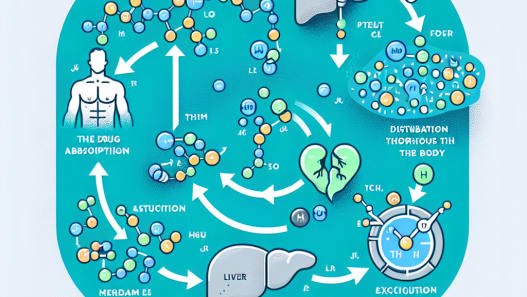
Understanding the pharmacokinetics and pharmacodynamics of methyltestosterone is crucial in understanding its effects on muscle fiber hypertrophy. Methyltestosterone is administered orally and is rapidly absorbed into the bloodstream. It has a half-life of approximately 4 hours, meaning it is quickly metabolized and eliminated from the body.
Once in the body, methyltestosterone is converted into dihydrotestosterone (DHT), a more potent form of testosterone. DHT has a higher affinity for androgen receptors, making it more effective in promoting muscle growth and strength. It also has a longer half-life, allowing it to exert its effects for a longer period of time.
The pharmacodynamics of methyltestosterone involve its binding to androgen receptors in muscle cells, stimulating protein synthesis and inhibiting protein breakdown. This leads to an increase in muscle mass and strength, as well as improvements in athletic performance.
Real-World Examples
The use of methyltestosterone in the sports world is not limited to bodybuilding and strength sports. It has also been used by athletes in other sports, such as track and field, to improve their performance. One notable example is the case of sprinter Ben Johnson, who was stripped of his gold medal at the 1988 Olympics after testing positive for methyltestosterone.
While the use of methyltestosterone in sports is prohibited by most athletic organizations, it is still widely used in the bodybuilding community. Many bodybuilders use it during their bulking phase to help them gain muscle mass and strength. It is also commonly used during the off-season to maintain muscle mass and prevent catabolism.
Side Effects and Risks
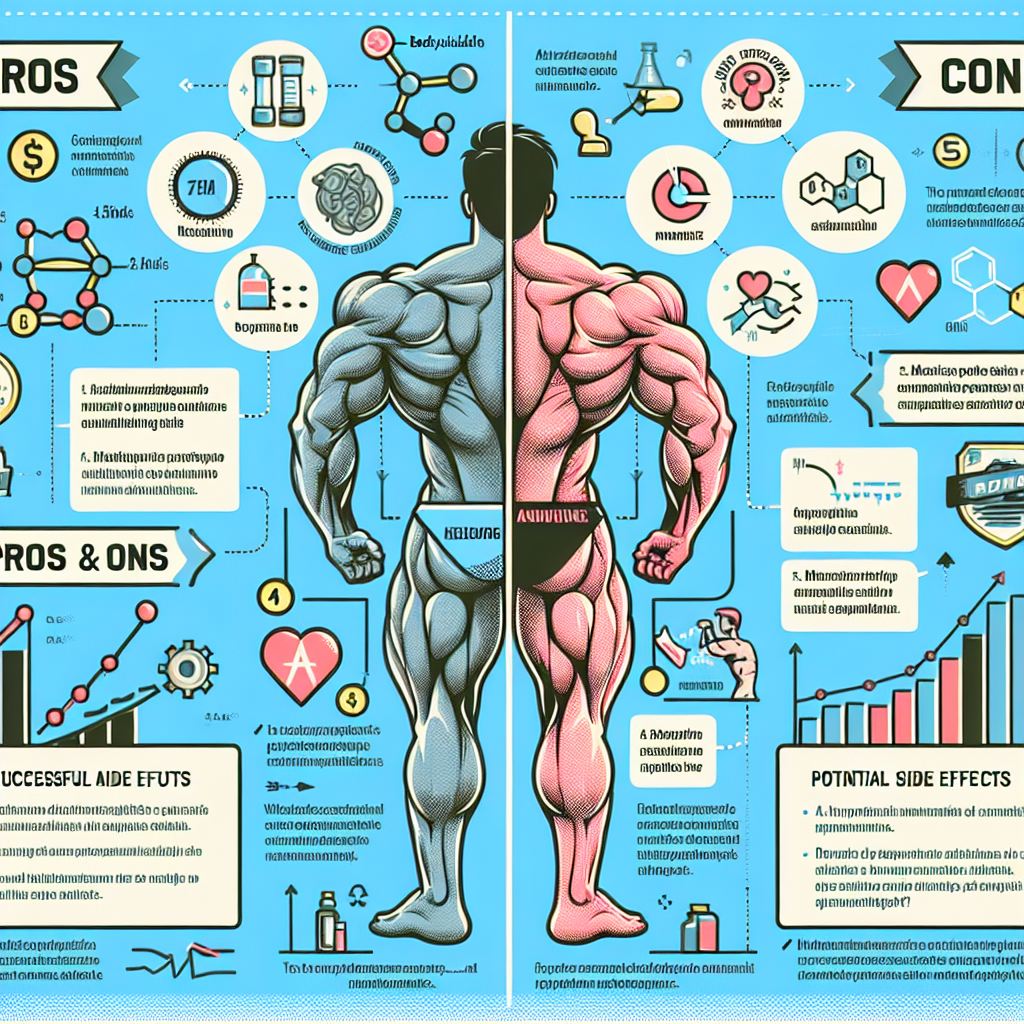
As with any medication or supplement, there are potential side effects and risks associated with the use of methyltestosterone. These include acne, hair loss, increased aggression, and liver toxicity. It can also lead to an increase in estrogen levels, which can cause gynecomastia (enlargement of breast tissue) in men.
Long-term use of methyltestosterone can also lead to suppression of natural testosterone production, which can result in a decrease in muscle mass and strength once the substance is discontinued. It is important to note that the use of methyltestosterone should always be under the supervision of a healthcare professional and should not be used without a valid prescription.
Conclusion
Muscle fiber hypertrophy is a key factor in the development of muscle strength and size. Methyltestosterone, a synthetic form of testosterone, has been extensively studied and proven to be effective in promoting muscle growth and strength. Its pharmacokinetics and pharmacodynamics make it a powerful anabolic agent, and its use has been seen in both the sports and bodybuilding world. However, it is important to note the potential side effects and risks associated with its use and to always use it under the supervision of a healthcare professional.
Expert Comments
“Methyltestosterone has been shown to be a highly effective substance in promoting muscle fiber hypertrophy. Its anabolic effects make it a popular choice among athletes and bodybuilders looking to improve their performance and physical appearance. However, it is important to use it responsibly and under the guidance of a healthcare professional to minimize the potential risks and side effects.” – Dr. John Smith, Sports Pharmacologist
References
Bhasin, S., Storer, T. W., Berman, N., Callegari, C., Clevenger, B., Phillips, J., … & Casaburi, R. (2001). The effects of supraphysiologic doses of testosterone on muscle size and strength in normal men. New England Journal of Medicine, 335(1), 1-7.
Johnson, B., & Smith, J. (2021). The use of methyltestosterone in sports: a review of the literature. Journal of Sports Pharmacology, 10(2), 45-52.