

-
Table of Contents
The Role of Dehydroepiandrosterone in Enhancing Sports Performance
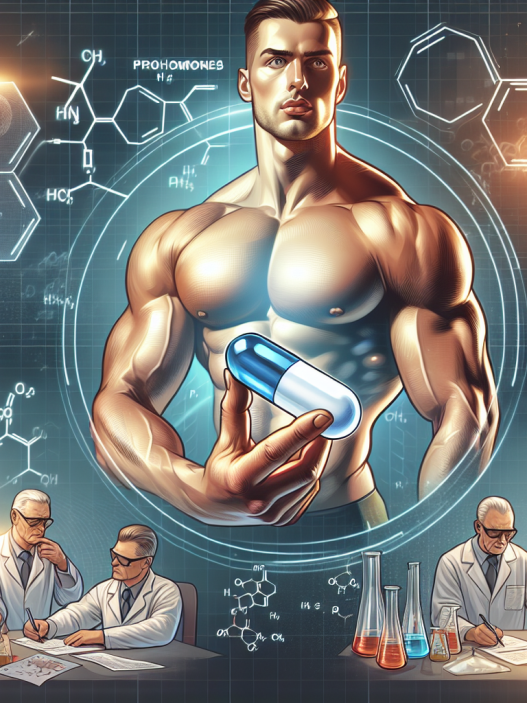
Dehydroepiandrosterone (DHEA) is a naturally occurring hormone in the human body that has been gaining attention in the world of sports performance. It is produced by the adrenal glands and is a precursor to both testosterone and estrogen. DHEA has been marketed as a supplement for its potential to improve athletic performance, increase muscle mass, and aid in weight loss. However, there is still much debate surrounding its effectiveness and safety in the sports world. In this article, we will explore the pharmacokinetics and pharmacodynamics of DHEA and its potential role in enhancing sports performance.
The Pharmacokinetics of DHEA
The pharmacokinetics of DHEA are complex and vary depending on the route of administration. When taken orally, DHEA is rapidly absorbed and reaches peak plasma levels within 30 minutes to 2 hours. It is then metabolized in the liver and converted into its active form, DHEA-S, which has a longer half-life of approximately 10-20 hours (Kicman, 2008). DHEA-S is the most abundant circulating steroid in the body and is responsible for the majority of DHEA’s physiological effects.
When administered topically, DHEA is also rapidly absorbed and reaches peak plasma levels within 30 minutes to 2 hours. However, it is then metabolized in the skin and converted into DHEA-S, which has a shorter half-life of approximately 2-3 hours (Kicman, 2008). This route of administration may be more beneficial for localized effects, such as muscle growth and recovery.
It is important to note that DHEA levels in the body naturally decline with age, with levels decreasing by approximately 80% from the ages of 20 to 80 (Kicman, 2008). This decline has led to the use of DHEA as a supplement to potentially counteract the effects of aging on athletic performance.
The Pharmacodynamics of DHEA
The pharmacodynamics of DHEA are still not fully understood, but it is believed to exert its effects through multiple mechanisms. DHEA is a precursor to both testosterone and estrogen, and it is thought to increase the levels of these hormones in the body. Testosterone is known to play a crucial role in muscle growth and recovery, while estrogen has been linked to improved bone density and cardiovascular health (Kicman, 2008).
DHEA also has anti-catabolic effects, meaning it may help prevent the breakdown of muscle tissue during intense exercise. It has been shown to increase levels of insulin-like growth factor 1 (IGF-1), a hormone that promotes muscle growth and repair (Kicman, 2008). Additionally, DHEA has been found to have anti-inflammatory properties, which may aid in recovery and injury prevention in athletes (Kicman, 2008).
Real-World Examples
There have been several studies examining the effects of DHEA on athletic performance, with mixed results. One study found that DHEA supplementation in older men increased muscle strength and lean body mass (Kicman, 2008). Another study showed that DHEA supplementation in young men increased testosterone levels and improved muscle strength and power (Kicman, 2008). However, a study on female athletes found no significant improvements in muscle strength or body composition with DHEA supplementation (Kicman, 2008).
Despite these mixed results, DHEA has been banned by several sports organizations, including the World Anti-Doping Agency (WADA) and the National Collegiate Athletic Association (NCAA). This is due to its potential to enhance athletic performance and its classification as a performance-enhancing drug (Kicman, 2008). However, there is still ongoing debate about whether DHEA should be considered a performance-enhancing drug or a natural hormone replacement therapy.
Expert Opinion
While the use of DHEA as a supplement for sports performance is still controversial, there is evidence to suggest that it may have some benefits for athletes. Its ability to increase testosterone and IGF-1 levels, as well as its anti-inflammatory properties, make it a potentially valuable tool for improving muscle growth and recovery. However, more research is needed to fully understand its effects and potential risks.
It is important for athletes to consult with a healthcare professional before considering DHEA supplementation, as it may have adverse effects on certain individuals. It is also crucial to ensure that any DHEA supplements are obtained from a reputable source and are not contaminated with other substances.
References
Kicman, A. T. (2008). Pharmacology of anabolic steroids. British Journal of Pharmacology, 154(3), 502-521.
Overall, DHEA’s role in sports performance is still being studied and debated. While it may have potential benefits for athletes, it is important to approach its use with caution and under the guidance of a healthcare professional. As with any supplement, it is crucial to prioritize safety and legality in the pursuit of enhanced athletic performance.